By style
Aesthetic Profile Picture Ideas
Soft light, muted palettes, curated-but-effortless mood.
-
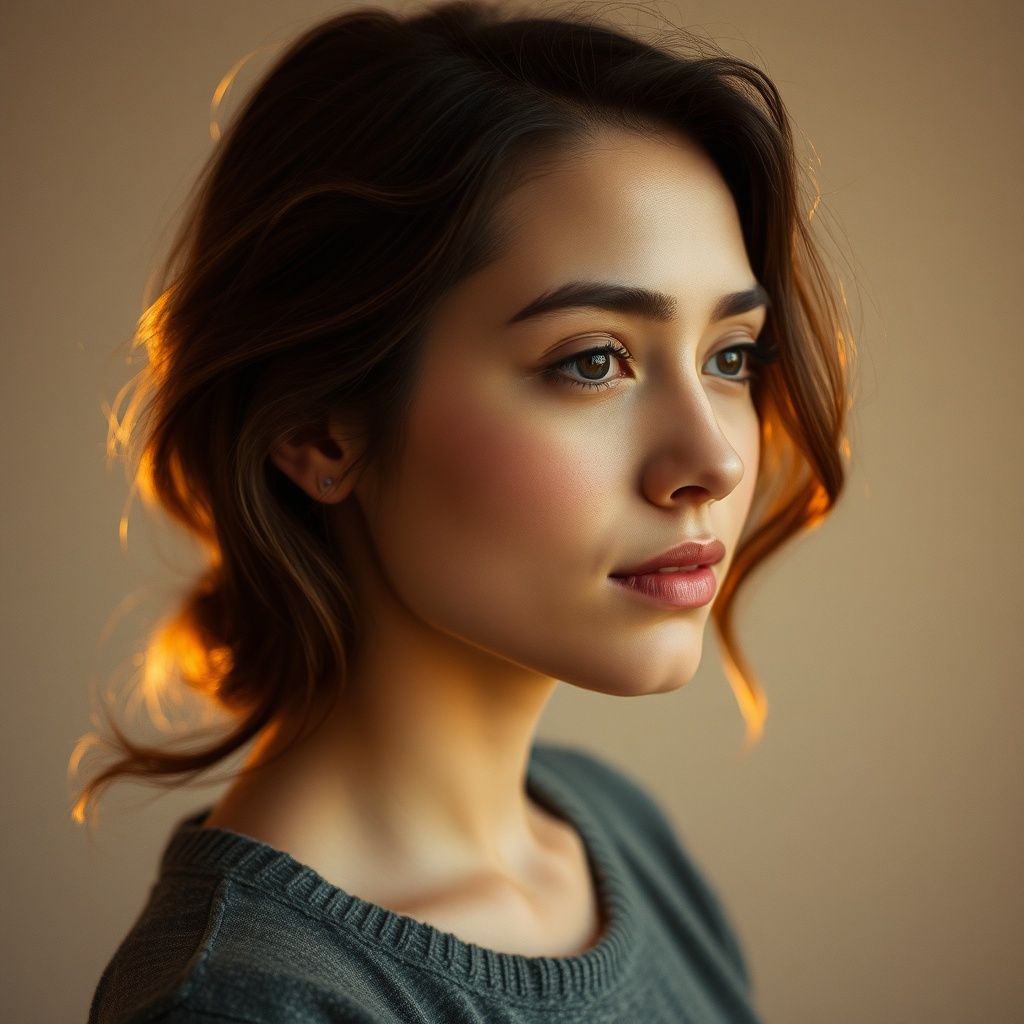 01
01Golden-hour soft light
Shoot in the hour after sunrise or before sunset. Soft, warm, directional light does 90% of the work.
-
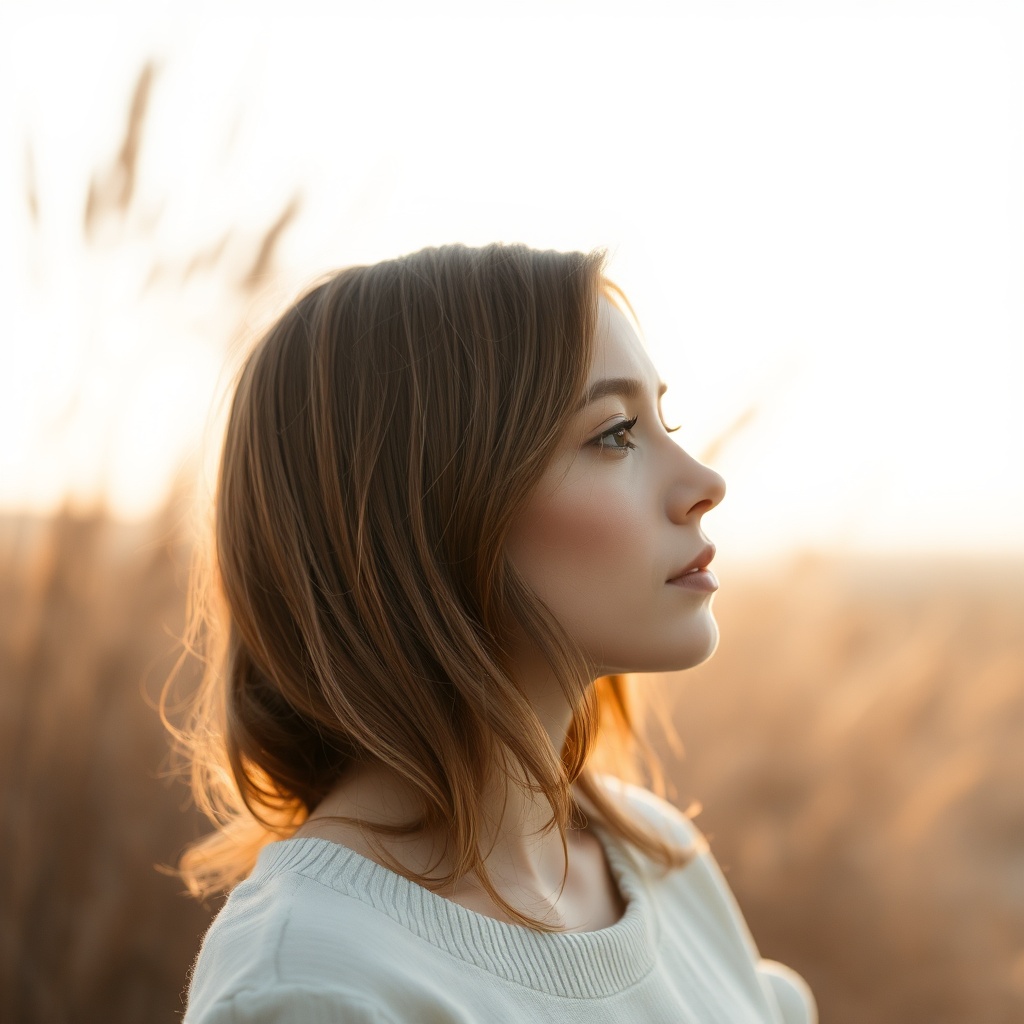 02
02Muted colour palette
Beige, sage, dusty rose, warm grey. Desaturate slightly so nothing shouts.
-
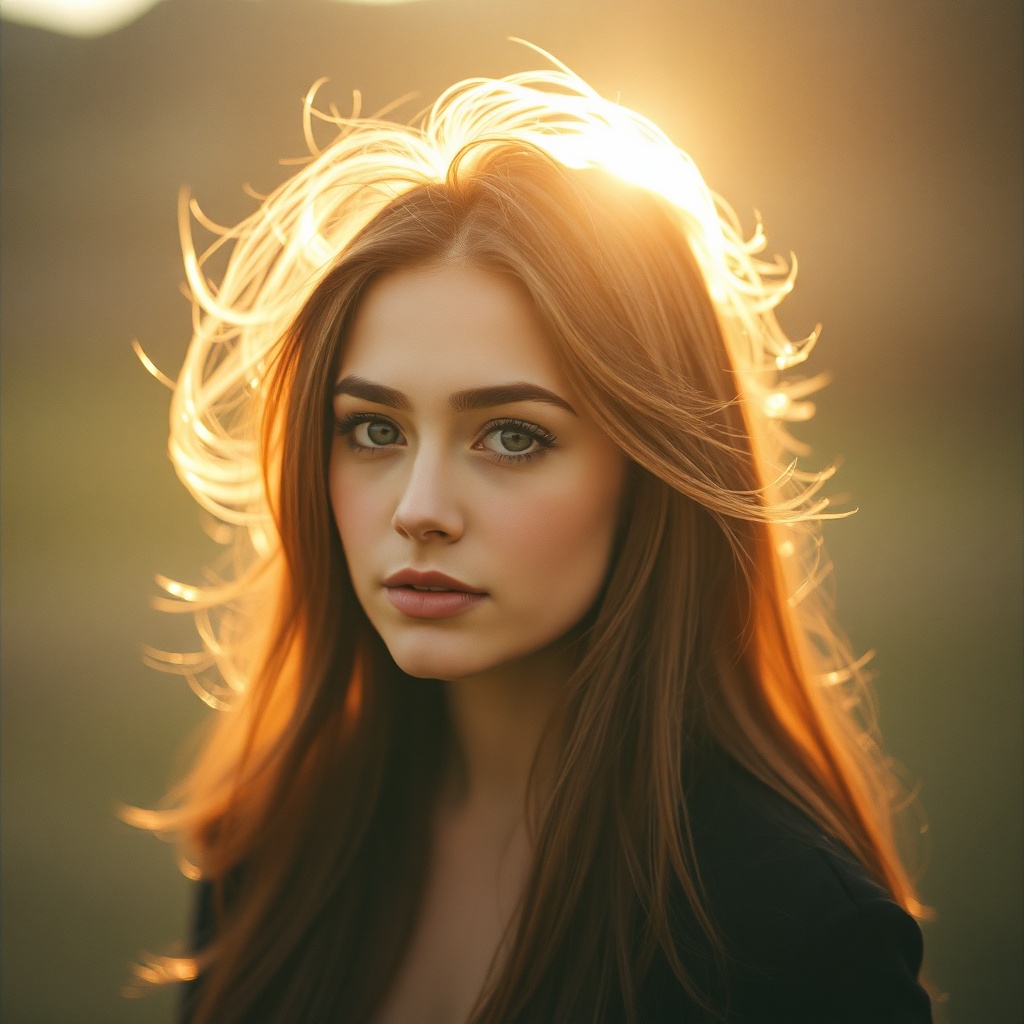 03
03Film grain overlay
A touch of grain instantly reads as intentional and analogue rather than phone-camera sharp.
-
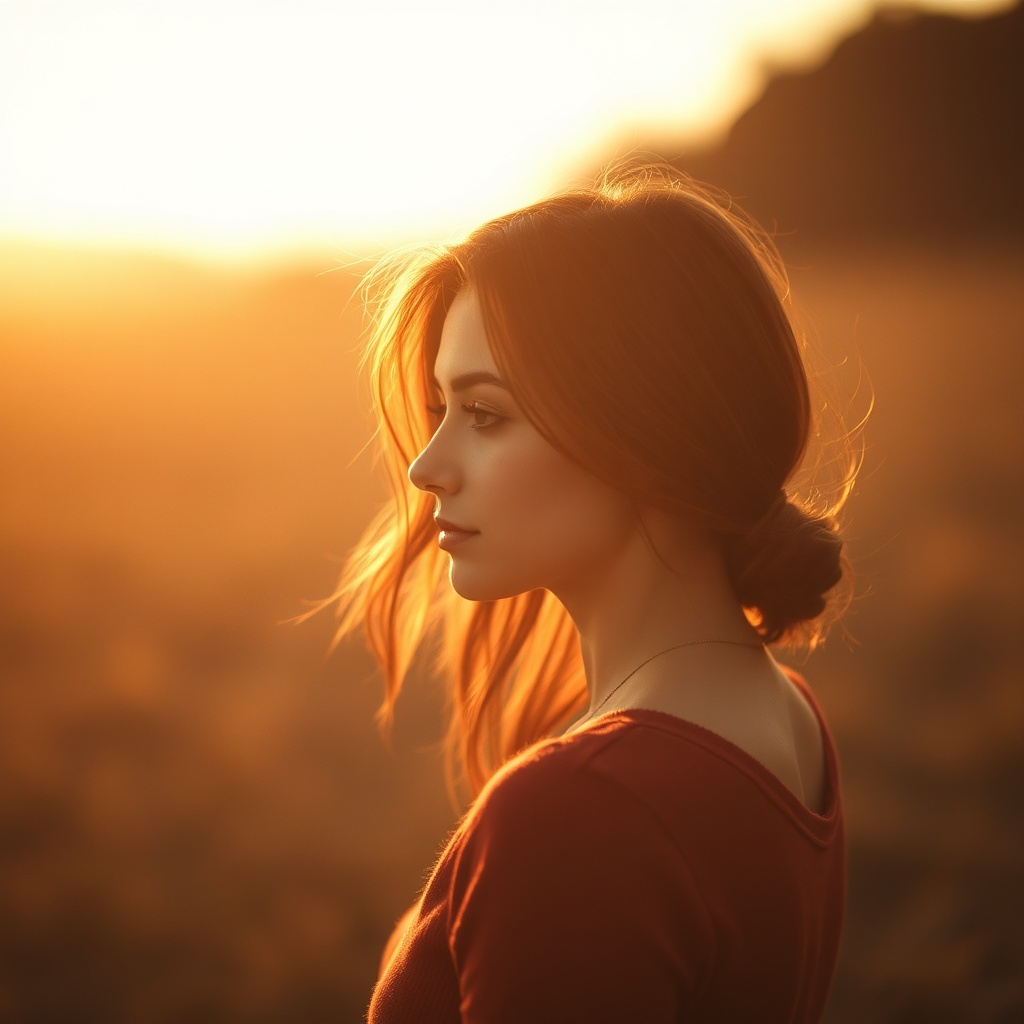 04
04Negative space & mood
Let the frame breathe — a small figure in a big soft scene communicates a feeling, not a face.
-
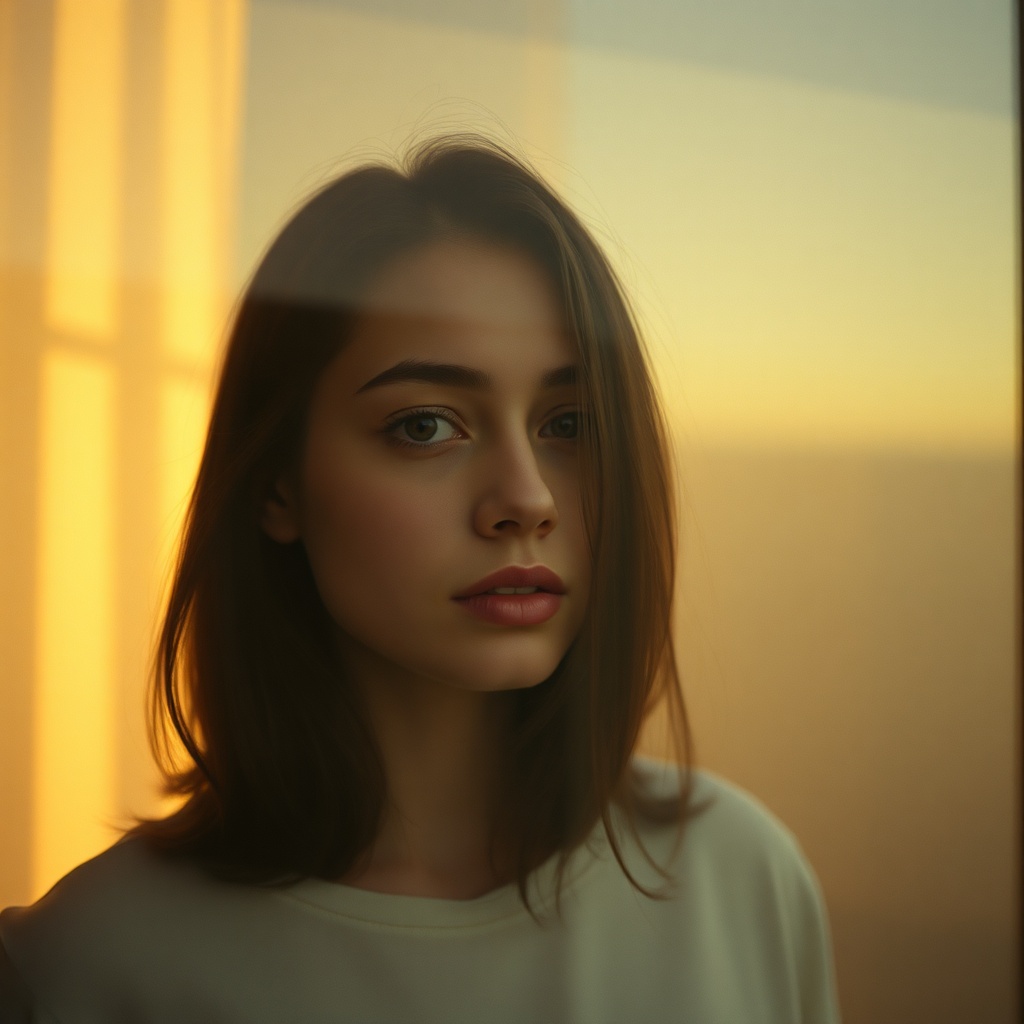 05
05Mirror or window reflection
A soft reflected self-portrait. Dreamy, a little anonymous, very Pinterest.
-
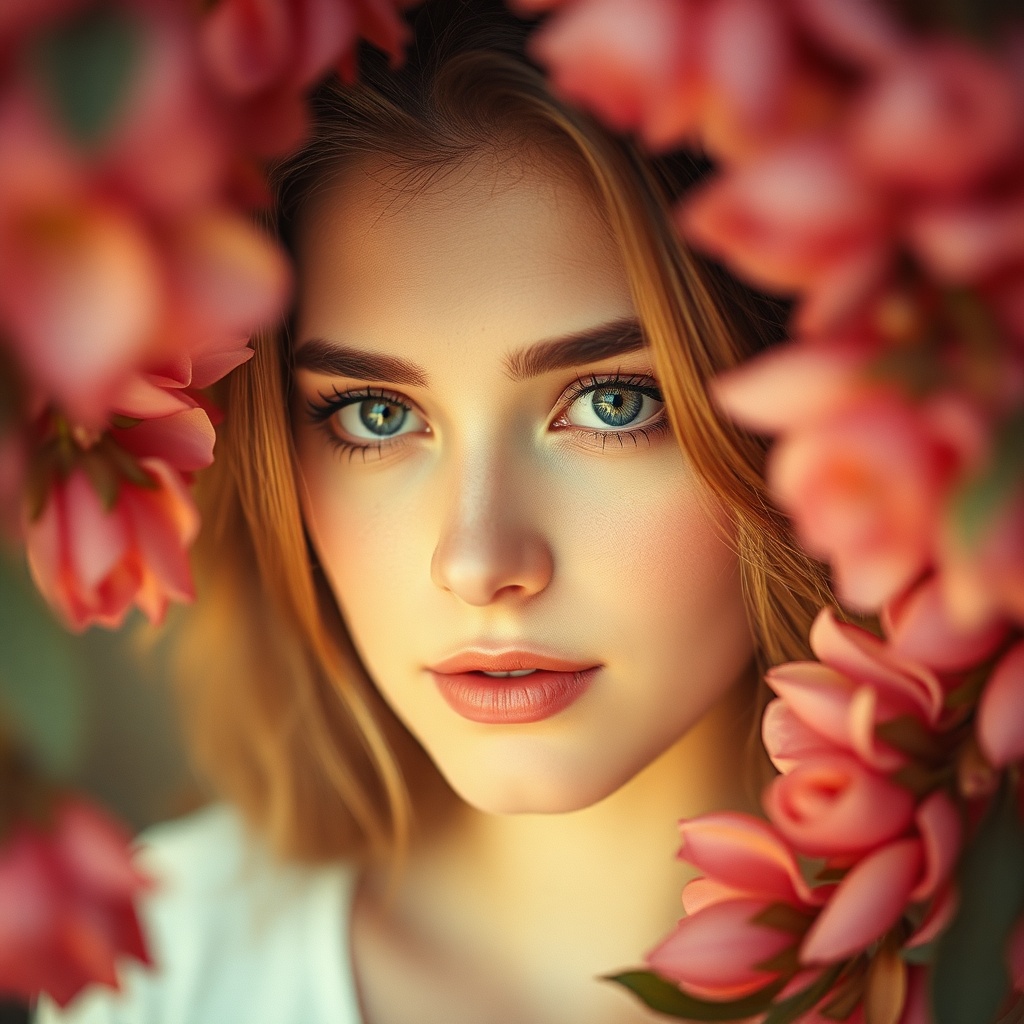 06
06Flowers or nature framing
Shoot through petals, leaves or lace so the edges blur into warm colour.
-
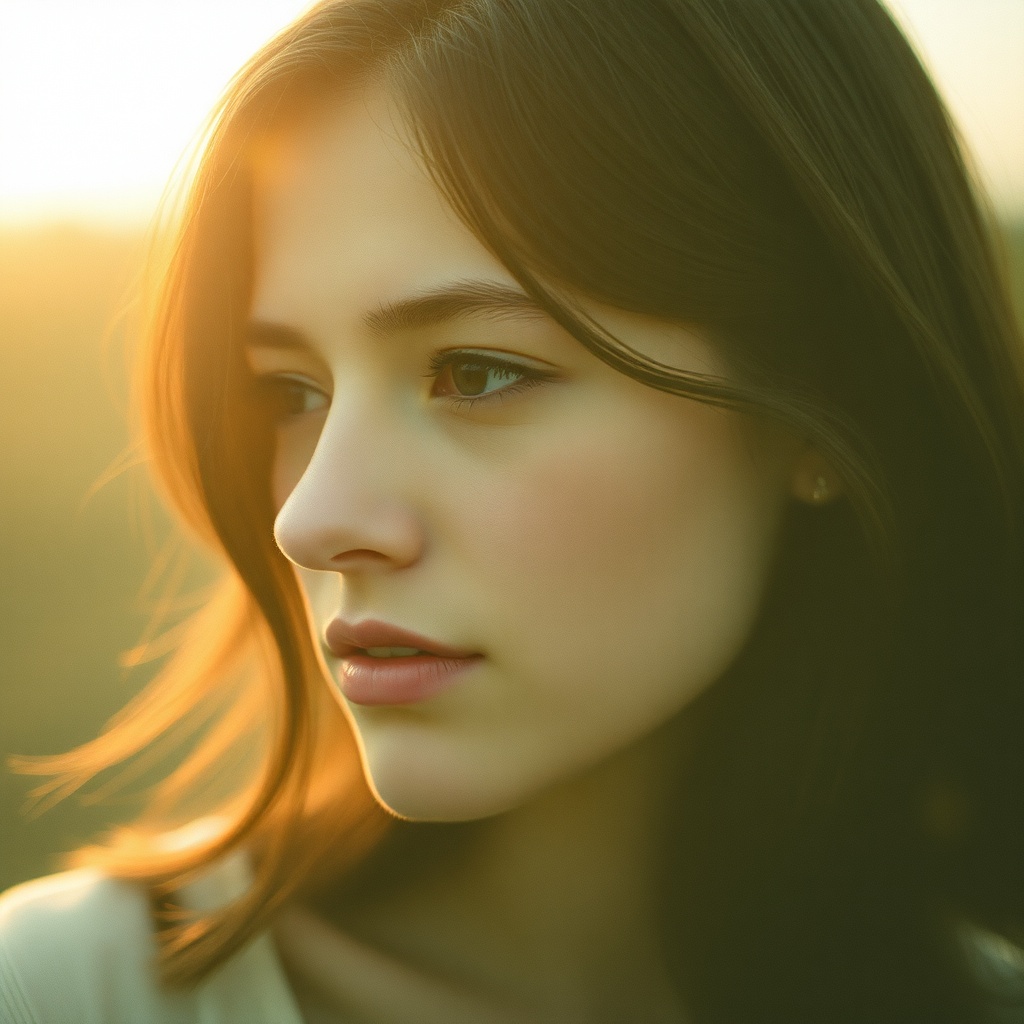 07
07Monochrome wash
One colour graded over the whole image — sepia, cool blue, faded green.
-
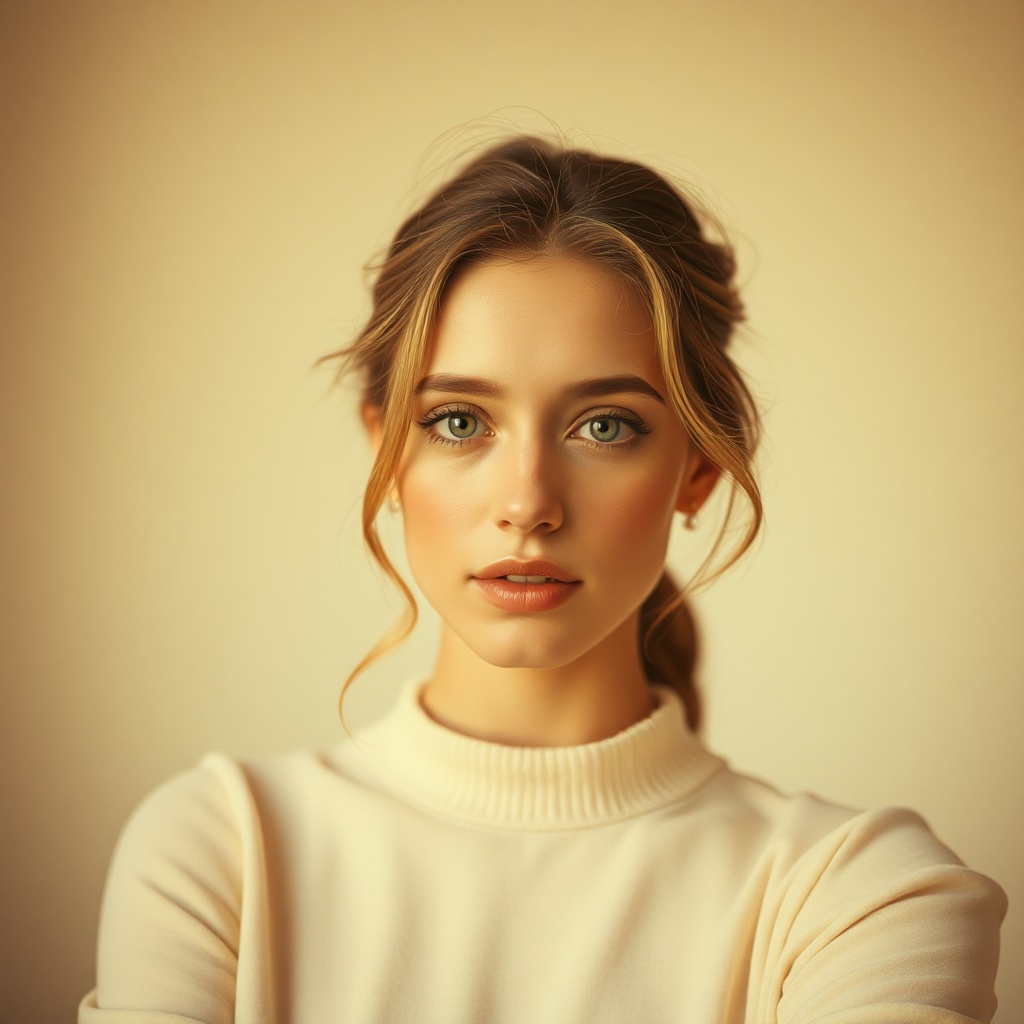 08
08AI painterly portrait
Turn a selfie into a soft, painted, gallery-wall version of yourself.
Make it with ImagineArt →
“Aesthetic” isn’t a filter — it’s a set of decisions that all point in the same direction. The reason those Pinterest profile pictures feel so considered is that every ingredient reinforces one mood. Get the ingredients right and even a phone photo looks curated.
The four ingredients
Almost every aesthetic PFP has these in common:
- Soft, directional light. Harsh overhead light flattens a face. Window light or golden hour wraps it. If you take one thing from this page, take this.
- A muted palette. Low saturation reads as expensive and calm. Warm neutrals, sage, dusty rose, faded blue — pick one dominant tone.
- Gentle grain and grade. A little film grain and a slight colour wash pushes a sharp digital photo toward the analogue, intentional look.
- Room to breathe. Negative space communicates mood. A small figure in a soft, open frame says more than a tight, busy crop.
Mood before subject
The counter-intuitive part: aesthetic profile pictures often aren’t about showing your face clearly at all. They’re about a feeling — a hand in soft light, a blurred reflection, a silhouette against a warm window. If recognisability matters (dating, professional), lean toward a clearer face and let the light and palette carry the aesthetic.
Restraint is the whole trick. One light source, one colour story, one point of focus. The moment you add a second of anything, it stops looking curated.
Making one from scratch
Shoot near a window on an overcast day, keep your palette to one or two muted tones, then add a touch of grain. Prefer to skip the shoot entirely? A stylised AI generator with a filmic or painterly preset will get you a soft, graded portrait in a couple of minutes.
Questions people ask
What makes a profile picture 'aesthetic'?
Aesthetic PFPs communicate a mood rather than detail — soft directional light, a muted or monochrome palette, gentle film grain, and clean framing with breathing room. The 'curated but effortless' feel comes from restraint, not filters piled on top.
What colours are best for an aesthetic PFP?
Muted, low-saturation tones read as most aesthetic — warm neutrals (beige, cream, tan), soft greens (sage, olive), dusty pinks, and faded blues. Pick one dominant tone and grade the whole image toward it.
How do I make an aesthetic profile picture without a good camera?
Shoot in soft natural light (near a window or at golden hour), then grade toward a muted palette and add subtle grain in any free editor. Or use an AI portrait tool with a filmic or painterly style preset.